
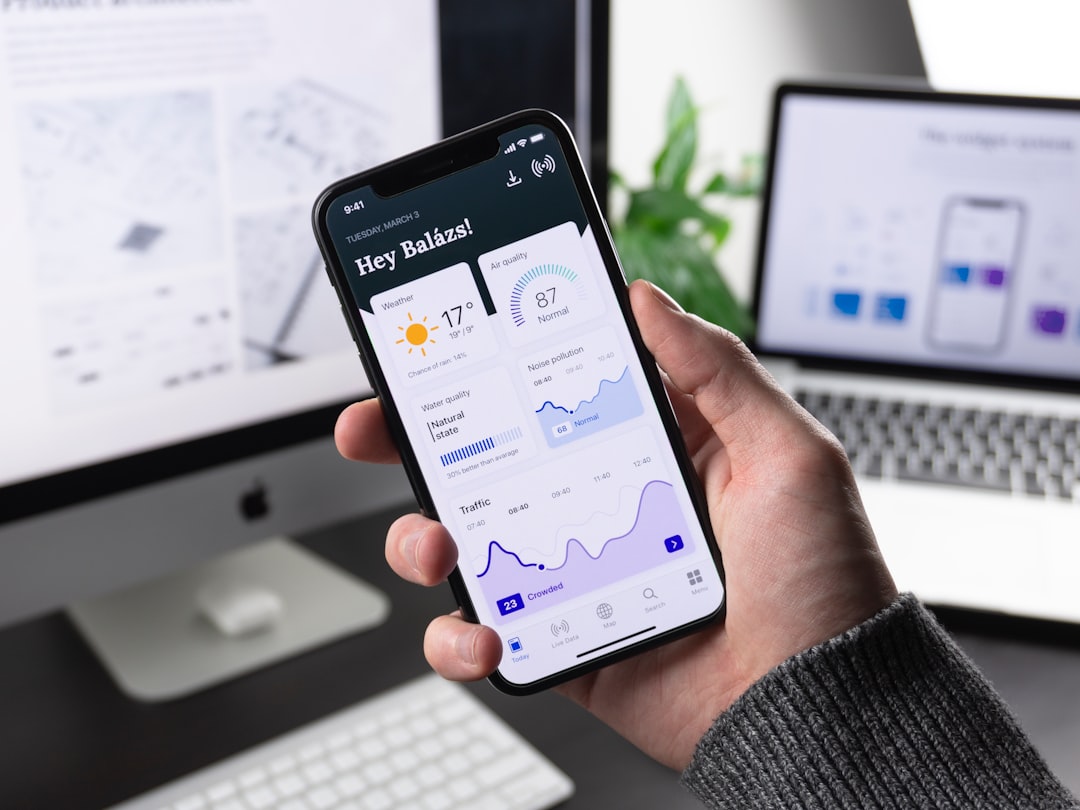
In today’s digital age, mobile app development has become a crucial aspect of the technology industry. With the rise of smartphones and tablets, the demand for innovative and user-friendly mobile applications has skyrocketed. Whether it’s for entertainment, productivity, communication, or business, mobile apps play a significant role in our daily lives.
Introduction to Mobile App Development
Mobile app development refers to the process of creating software applications that are specifically designed to run on mobile devices such as smartphones and tablets. These applications are developed to cater to the unique requirements of mobile users, taking into consideration factors such as screen size, hardware specifications, and operating systems.
The mobile app development process typically involves several stages, including ideation, design, development, testing, and deployment. Developers use various programming languages, frameworks, and tools to build mobile apps that are functional, intuitive, and visually appealing.
Types of Mobile Apps
There are three main types of mobile apps: native apps, web apps, and hybrid apps. Native apps are developed specifically for a particular platform, such as iOS or Android, using platform-specific programming languages like Swift or Java. Web apps, on the other hand, are accessed through a web browser and do not need to be downloaded from an app store. Hybrid apps combine elements of both native and web apps, allowing developers to build a single app that can run on multiple platforms.
Key Considerations in Mobile App Development
When developing a mobile app, there are several key considerations that developers need to keep in mind. These include:
1. User Experience (UX): The user experience is crucial in determining the success of a mobile app. Developers need to create an intuitive and user-friendly interface that makes it easy for users to navigate the app and access its features.
2. Performance: Mobile apps should be optimized for performance to ensure smooth and seamless operation on various devices. This includes optimizing loading times, reducing app size, and minimizing battery consumption.
3. Security: Security is a major concern in mobile app development, as apps often handle sensitive user data. Developers need to implement robust security measures to protect user information from unauthorized access and cyber threats.
4. Compatibility: Mobile apps need to be compatible with a wide range of devices, screen sizes, and operating systems. Developers need to test their apps thoroughly to ensure compatibility across different platforms.
5. Updates and Maintenance: Mobile apps require regular updates and maintenance to keep them running smoothly and to fix any bugs or issues that may arise. Developers need to stay on top of updates and be responsive to user feedback.
Mobile App Development Tools and Technologies
There are numerous tools and technologies available to developers to streamline the mobile app development process. Some popular tools include:
– Integrated Development Environments (IDEs) such as Xcode for iOS and Android Studio for Android
– Cross-platform development frameworks like React Native and Flutter
– Backend as a Service (BaaS) platforms like Firebase and AWS
– App testing tools like Appium and TestFlight
Conclusion
Mobile app development is a dynamic and rapidly evolving field that offers endless opportunities for innovation and creativity. As the demand for mobile apps continues to grow, developers need to stay current with the latest trends, tools, and technologies to create successful and impactful mobile applications. By focusing on user experience, performance, security, compatibility, and maintenance, developers can build apps that resonate with users and stand out in the competitive app market.