
Web3 and Blockchain: Revolutionizing Technology
Introduction
In recent years, the terms Web3 and blockchain have been making waves in the world of technology. These concepts are reshaping the way we interact with the internet and are paving the way for a more decentralized and secure digital landscape. In this article, we will delve into what Web3 and blockchain are, how they work, and the impact they are having on various industries.
What is Web3?
Web3 is the next generation of the internet, which aims to create a more user-centric and decentralized web experience. Unlike Web 2.0, where users interact with centralized platforms and are subjected to data privacy concerns, Web3 offers a more transparent and secure environment. Web3 is built on the principles of blockchain technology, which ensures trust, transparency, and immutability.
Blockchain Technology
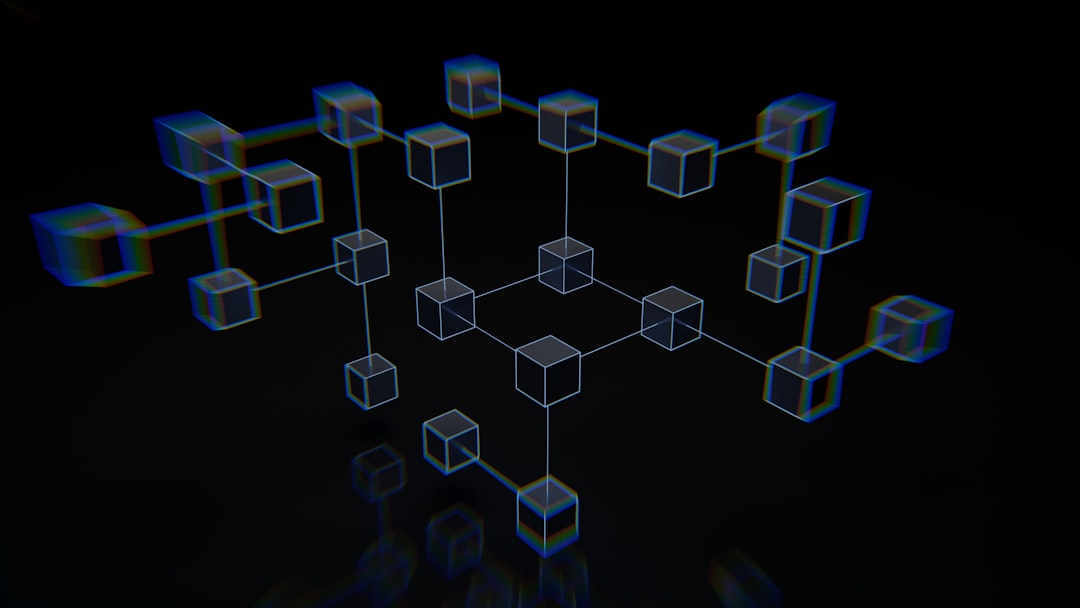
Blockchain is a decentralized and distributed ledger technology that underpins cryptocurrencies like Bitcoin and Ethereum. It is a secure and transparent way of recording transactions and data across a network of computers. Each block in the blockchain contains a list of transactions, and once added to the chain, it cannot be altered or deleted. This makes blockchain highly secure and tamper-proof, eliminating the need for intermediaries in transactions.
How Web3 and Blockchain Work Together
Web3 integrates blockchain technology to create a decentralized internet ecosystem. Instead of relying on centralized servers, Web3 applications (dApps) run on a peer-to-peer network of computers, making them resistant to censorship and control. Blockchain technology ensures the integrity and security of data, enabling users to have full control over their information and assets.
Impacts of Web3 and Blockchain
1. Decentralization: Web3 promotes decentralization by removing intermediaries and giving power back to users. This shift in control empowers individuals and reduces the risk of data breaches and manipulation.
2. Data Privacy: With blockchain technology, users can have greater control over their data and decide who can access it. This enhances privacy and security, mitigating the risks associated with centralized platforms.
3. Tokenization: Blockchain allows for the creation of digital assets (tokens) that represent real-world assets like property, art, or securities. This tokenization of assets enables fractional ownership and increased liquidity in markets.
4. Smart Contracts: Smart contracts are self-executing agreements that run on blockchain technology. These contracts automate processes, reduce costs, and eliminate the need for intermediaries, making transactions more efficient and secure.
5. Supply Chain Management: Blockchain technology is revolutionizing supply chain management by providing a transparent and immutable record of transactions. This ensures traceability, authenticity, and efficiency in the supply chain process.
Conclusion
Web3 and blockchain are transforming the digital landscape by promoting decentralization, enhancing data privacy, enabling tokenization, automating processes with smart contracts, and revolutionizing supply chain management. As these technologies continue to evolve, we can expect to see a shift towards a more secure, transparent, and efficient internet ecosystem. Embracing Web3 and blockchain will undoubtedly shape the future of technology and redefine the way we interact with the digital world.