
Web3 and Blockchain: The Future of Technology
Introduction
In recent years, the terms Web3 and blockchain have become increasingly popular in the world of technology. But what exactly do these terms mean, and how are they revolutionizing the way we interact with the internet? In this blog post, we will delve into the concepts of Web3 and blockchain, exploring their potential impact on the future of technology.
What is Web3?
Web3 is the next evolution of the internet, moving away from the centralized systems that currently dominate the online world. In Web3, users have more control over their data and digital identities, with the power to interact directly with each other without the need for intermediaries. This decentralized approach promises greater privacy, security, and transparency for users, as well as more opportunities for innovation and collaboration.
One of the key technologies driving the development of Web3 is blockchain.
What is Blockchain?
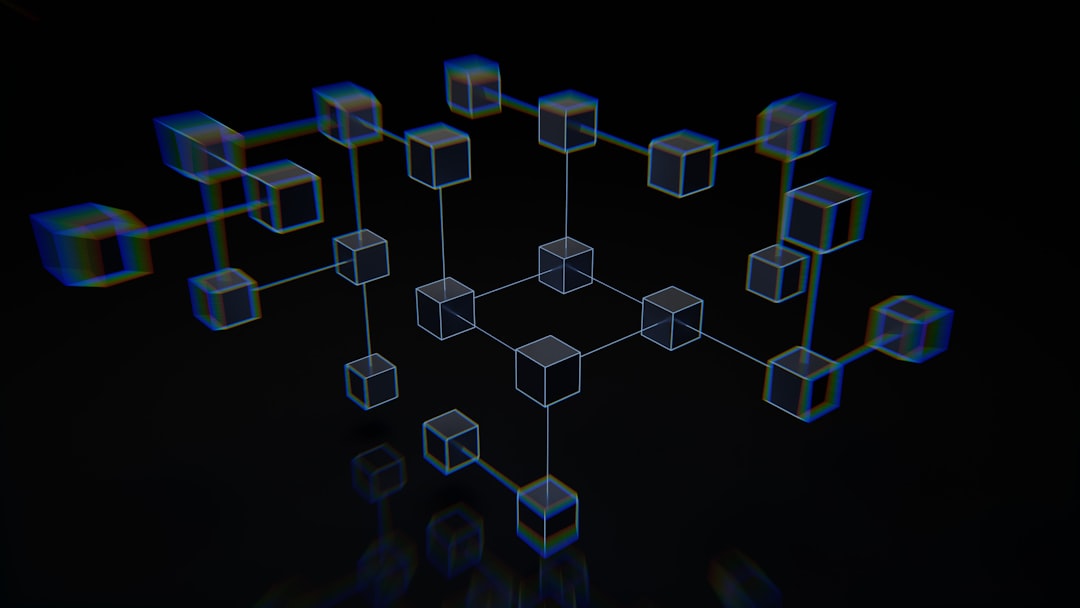
Blockchain is a decentralized, distributed ledger technology that enables the secure and transparent recording of transactions across a network of computers. Each block in the blockchain contains a list of transactions, with each block linked to the previous one through cryptographic hashes. This creates a tamper-proof and verifiable record of all transactions on the network.
Blockchain technology is perhaps best known for its role in powering cryptocurrencies like Bitcoin and Ethereum. However, its applications extend far beyond digital currencies, with potential uses in supply chain management, healthcare, voting systems, and more.
How Web3 and Blockchain are Changing the Game
The combination of Web3 and blockchain is reshaping the way we think about technology and the internet. Here are some ways in which these technologies are changing the game:
1. Decentralization: Web3 and blockchain shift power away from centralized authorities and give it back to the users. This can lead to greater autonomy, privacy, and security for individuals.
2. Transparency: The transparent nature of blockchain technology ensures that all transactions are recorded and can be verified by anyone on the network. This can help prevent fraud and corruption in various industries.
3. Smart Contracts: Smart contracts are self-executing contracts with the terms of the agreement directly written into code. These contracts run on blockchain technology, automating and enforcing the terms of the agreement without the need for intermediaries.
4. Tokenization: Blockchain enables the creation of digital assets or tokens that represent ownership of real-world assets. This can revolutionize the way we buy, sell, and trade assets like real estate, art, and stocks.
5. Data Ownership: In Web3, users have more control over their data and digital identities. This can help prevent data breaches and give individuals the power to monetize their own data.
Conclusion
Web3 and blockchain are ushering in a new era of technology that is decentralized, transparent, and user-centric. These technologies have the potential to revolutionize the way we interact with the internet, offering greater privacy, security, and control to users. As we continue to explore the possibilities of Web3 and blockchain, it is clear that these technologies will play a significant role in shaping the future of technology for years to come.