
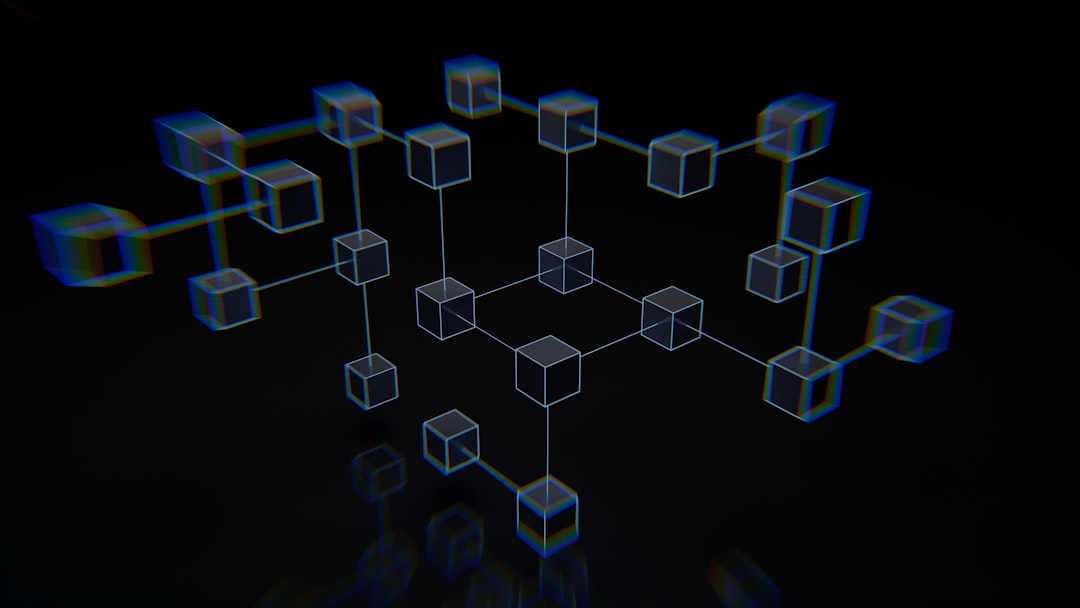
In the rapidly evolving landscape of technology, Web3 and blockchain are two terms that have been gaining significant attention. These technologies have the potential to revolutionize the way we interact with the internet and digital transactions. In this blog post, we will explore what Web3 and blockchain are, how they work, and the implications they have for the future of technology.
## Introduction to Web3 and Blockchain
Web3 is the next generation of the internet, where users have more control over their data and digital identities. Unlike the current Web2, which is dominated by centralized platforms like Facebook and Google, Web3 aims to decentralize the internet by using blockchain technology. Blockchain is a distributed ledger that stores transactions in a secure and transparent manner. It is the technology that powers cryptocurrencies like Bitcoin and Ethereum.
## How Web3 Works
Web3 operates on a decentralized network of nodes that store and validate transactions. These nodes communicate with each other to reach a consensus on the validity of transactions. This consensus mechanism ensures that the network is secure and resistant to censorship or fraud. Users can interact with Web3 applications through decentralized apps (dApps) that run on the blockchain. These dApps offer various services, such as decentralized finance (DeFi), decentralized social networks, and decentralized marketplaces.
## Benefits of Web3 and Blockchain
One of the main benefits of Web3 and blockchain is increased security and privacy. Since data is stored on a decentralized network, it is less vulnerable to hacking or data breaches. Users also have more control over their data and can choose what information they share with third parties. Another benefit is transparency, as all transactions on the blockchain are visible to anyone. This transparency helps to build trust among users and reduces the risk of fraud.
## Implications for the Future of Technology
Web3 and blockchain have the potential to disrupt many industries, including finance, healthcare, and supply chain management. In finance, decentralized finance (DeFi) platforms are enabling users to access financial services without the need for a traditional bank. In healthcare, blockchain technology can be used to securely store medical records and track the authenticity of pharmaceuticals. In supply chain management, blockchain can help to trace the origins of products and ensure ethical sourcing practices.
## Conclusion
In conclusion, Web3 and blockchain are poised to revolutionize the way we interact with the internet and digital transactions. These technologies offer increased security, privacy, and transparency, which are essential in today’s digital age. As more companies and developers embrace Web3 and blockchain, we can expect to see a shift towards a more decentralized and user-centric internet. The future of technology is bright, thanks to the innovations brought by Web3 and blockchain.