
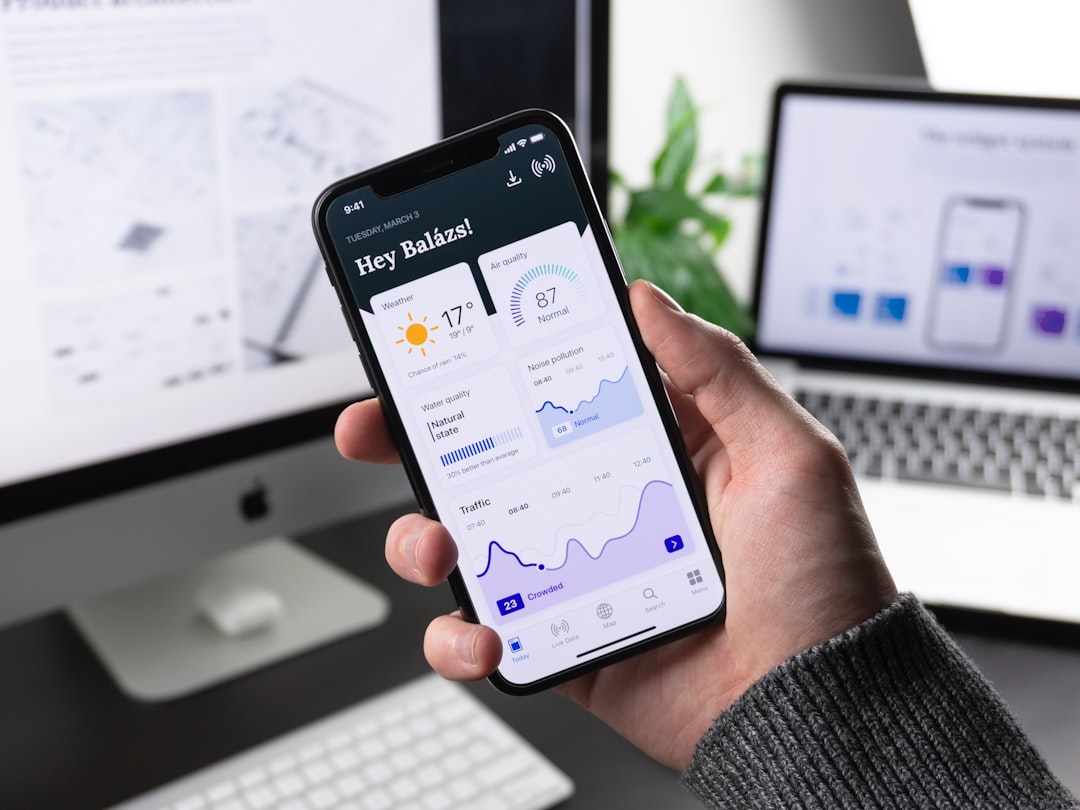
In today’s digital age, mobile applications have become an integral part of our daily lives. From social media platforms to productivity tools, mobile apps have revolutionized the way we interact with technology. As a result, mobile app development has become a booming industry with endless possibilities for innovation and growth.
Introduction to Mobile App Development
Mobile app development is the process of creating software applications that run on mobile devices such as smartphones and tablets. These apps are designed to provide users with a seamless and engaging experience, whether they are browsing the internet, playing games, or managing their finances.
There are two main platforms for mobile app development: iOS and Android. iOS is the operating system used by Apple devices, while Android is used by a variety of manufacturers such as Samsung, Google, and Huawei. Each platform has its own set of tools, programming languages, and design guidelines that developers must adhere to in order to create successful apps.
The mobile app development process typically involves several stages, including planning, design, development, testing, and deployment. Developers must consider factors such as user experience, performance, security, and compatibility with different devices and operating systems. Additionally, they must stay up-to-date on the latest trends and technologies in order to create apps that are both innovative and user-friendly.
Key Considerations in Mobile App Development
When developing a mobile app, there are several key considerations that developers must keep in mind. These include:
1. Target Audience: Before starting the development process, developers must identify their target audience and understand their needs and preferences. This will help them create an app that is tailored to the specific needs of their users.
2. User Experience (UX) Design: User experience design is crucial in mobile app development, as it determines how users interact with the app and how they perceive its usability and functionality. Developers must focus on creating a seamless and intuitive user interface that is easy to navigate and visually appealing.
3. Performance Optimization: Mobile apps must be optimized for performance in order to provide a smooth and responsive experience for users. This includes optimizing the app’s code, images, and other resources to ensure fast loading times and minimal lag.
4. Security: Security is a top priority in mobile app development, as apps often handle sensitive user data such as personal information and payment details. Developers must implement strong security measures, such as encryption and secure authentication, to protect users’ data from unauthorized access.
5. Testing and Quality Assurance: Thorough testing is essential in mobile app development to ensure that the app functions as intended and is free of bugs and errors. Developers must conduct rigorous testing across different devices and operating systems to identify and fix any issues before the app is released to the public.
Future Trends in Mobile App Development
As technology continues to evolve, the future of mobile app development holds exciting possibilities for innovation and growth. Some key trends to watch out for in the coming years include:
1. Artificial Intelligence (AI) and Machine Learning: AI and machine learning technologies are increasingly being integrated into mobile apps to provide personalized experiences and enhance user engagement. From virtual assistants to predictive analytics, AI is revolutionizing the way we interact with mobile devices.
2. Internet of Things (IoT) Integration: With the rise of IoT devices such as smart home appliances and wearable devices, mobile apps are increasingly being used to control and monitor these devices. Developers must adapt to this trend by creating apps that seamlessly integrate with IoT devices and provide a cohesive user experience.
3. Augmented Reality (AR) and Virtual Reality (VR): AR and VR technologies are transforming the way we interact with the digital world, and mobile apps are at the forefront of this revolution. From immersive gaming experiences to interactive shopping experiences, AR and VR have the potential to revolutionize the way we use mobile apps.
Conclusion
Mobile app development is a dynamic and fast-paced industry that offers endless opportunities for innovation and growth. By staying up-to-date on the latest trends and technologies, developers can create apps that are both innovative and user-friendly. With a focus on user experience, performance optimization, and security, developers can create successful apps that meet the needs of their target audience. As technology continues to evolve, the future of mobile app development holds exciting possibilities for AI, IoT, AR, and VR integration. With the right skills and expertise, developers can harness these trends to create cutting-edge mobile apps that push the boundaries of what is possible in the digital world.