
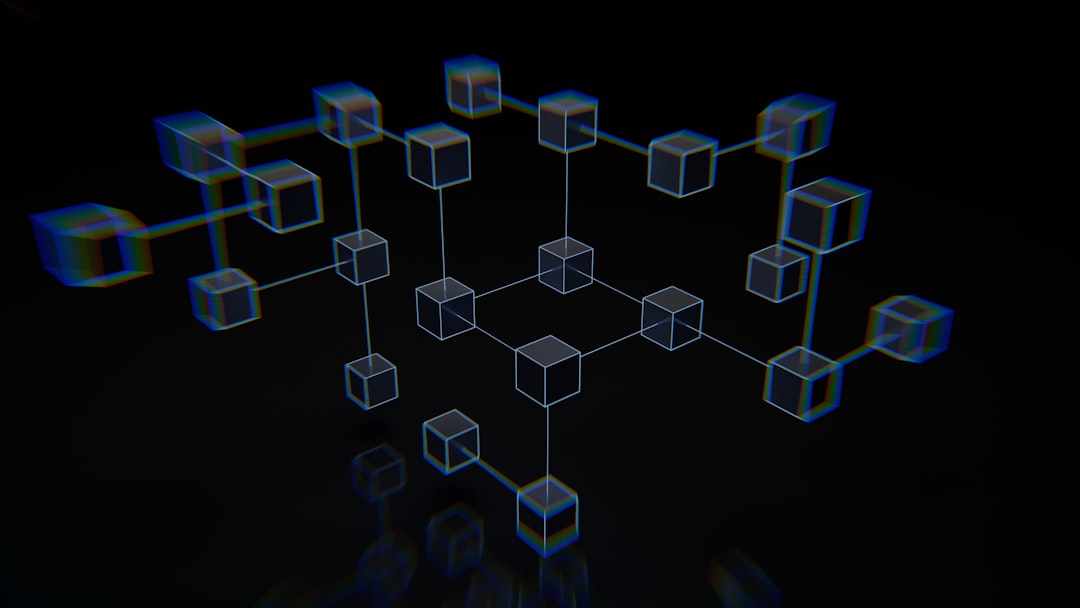
Web3 and Blockchain: Transforming the Future of Technology
In recent years, the terms Web3 and blockchain have been buzzing in the tech world, promising to revolutionize the way we interact with the internet and handle digital transactions. But what exactly are Web3 and blockchain, and how are they changing the landscape of technology as we know it? Let’s delve into these concepts and explore their potential impact on our digital future.
Introduction to Web3
Web3 is the vision of a decentralized and user-centric internet, where individuals have more control over their data and digital identities. Unlike Web2, which is characterized by centralized platforms like Facebook and Google that collect and monetize user data, Web3 aims to empower users by giving them ownership of their data through blockchain technology.
Blockchain, on the other hand, is a decentralized and transparent ledger that records transactions across a network of computers. Each transaction is verified by network participants, making it secure and tamper-proof. This technology forms the foundation of Web3, enabling peer-to-peer interactions without the need for intermediaries.
The Potential of Web3 and Blockchain in Technology
Web3 and blockchain have the potential to disrupt various industries, including finance, healthcare, supply chain, and more. Here are some ways these technologies are transforming the future of technology:
1. Decentralized Finance (DeFi): DeFi is a rapidly growing sector that leverages blockchain technology to create financial products and services without traditional intermediaries. With DeFi, users can access loans, earn interest, and trade assets directly on decentralized platforms, revolutionizing the way we handle financial transactions.
2. Digital Identities: Web3 enables users to have more control over their digital identities through self-sovereign identity solutions. These solutions use blockchain technology to securely store and manage personal information, allowing users to selectively share their data with trusted parties while maintaining privacy and security.
3. Supply Chain Management: Blockchain technology is being used to improve transparency and traceability in supply chains. By recording every step of a product’s journey on a blockchain, companies can verify the authenticity of goods, prevent counterfeiting, and ensure ethical sourcing practices.
4. Smart Contracts: Smart contracts are self-executing agreements that run on blockchain technology. These contracts automatically enforce the terms of an agreement without the need for intermediaries, reducing the risk of fraud and streamlining the process of conducting business transactions.
Challenges and Opportunities
While Web3 and blockchain offer promising opportunities for innovation, there are also challenges that need to be addressed. Scalability, interoperability, and regulatory concerns are some of the key hurdles facing the widespread adoption of these technologies. However, with ongoing research and development, these challenges can be overcome to unlock the full potential of Web3 and blockchain in the technology sector.
In conclusion, Web3 and blockchain are ushering in a new era of decentralized and transparent technology that empowers users and reshapes the way we interact with the digital world. As these technologies continue to evolve, we can expect to see exciting new applications and use cases that will transform industries and improve the way we conduct business and interact online. Embracing the potential of Web3 and blockchain will be crucial for staying ahead in the rapidly evolving tech landscape.