
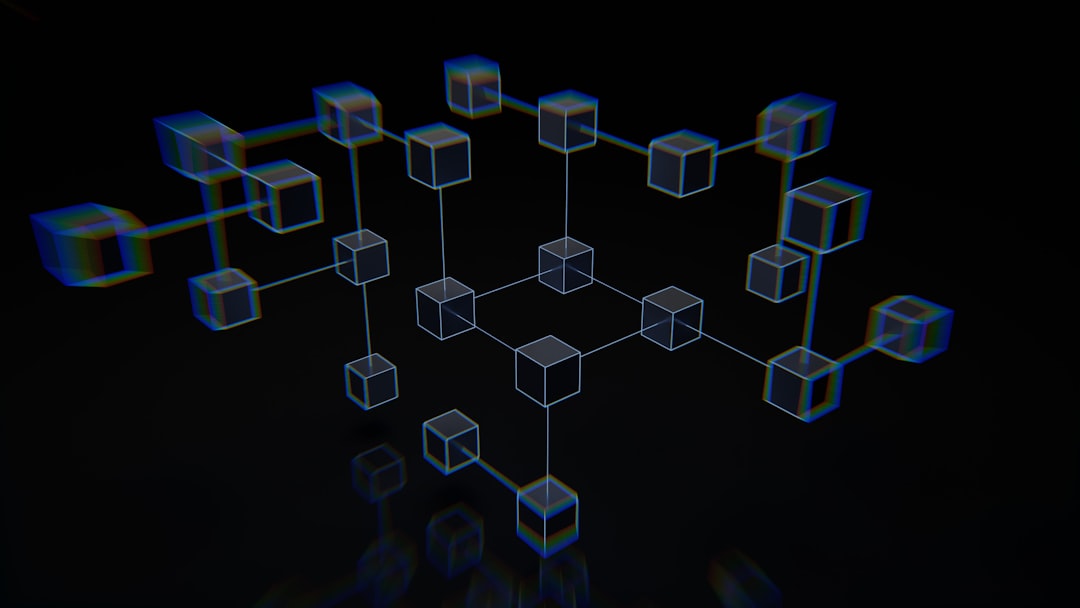
Web3 and Blockchain: The Future of Technology
Introduction
In recent years, the terms Web3 and Blockchain have been buzzing around the tech world, promising to revolutionize the way we interact with the internet and handle transactions online. But what exactly are Web3 and Blockchain, and how do they work together to shape the future of technology? In this article, we will delve into the intricacies of Web3 and Blockchain, exploring their potential impact on various industries and their role in the evolution of the digital landscape.
Understanding Web3
Web3 is the next iteration of the internet, envisioned as a decentralized and user-centric platform that aims to give individuals more control over their data and online interactions. Unlike the current Web2 model, which relies heavily on centralized servers and intermediaries, Web3 leverages blockchain technology to create a more secure, transparent, and censorship-resistant environment.
At its core, Web3 is about empowering users to own their data and digital identities, allowing them to interact with applications and services directly without the need for middlemen. This decentralized approach not only enhances privacy and security but also opens up new possibilities for innovation and collaboration across various sectors.
The Role of Blockchain in Web3
Blockchain, the underlying technology behind cryptocurrencies like Bitcoin and Ethereum, plays a crucial role in enabling the decentralized nature of Web3. By storing data in a secure and tamper-proof manner across a distributed network of nodes, blockchain ensures that transactions are transparent, immutable, and verifiable.
In the context of Web3, blockchain serves as the backbone for decentralized applications (dApps) and smart contracts, which run on top of blockchain networks like Ethereum. These dApps enable peer-to-peer interactions without the need for intermediaries, allowing users to exchange value, information, and services in a trustless and efficient manner.
Benefits of Web3 and Blockchain
The adoption of Web3 and blockchain technology brings a host of benefits across various industries, including finance, healthcare, supply chain management, and more. Some of the key advantages of Web3 and blockchain include:
1. Improved Security: By decentralizing data storage and transactions, Web3 and blockchain enhance security and reduce the risk of data breaches and cyber attacks.
2. Enhanced Privacy: Web3 allows users to control their data and digital identities, ensuring greater privacy and autonomy over their online activities.
3. Transparent Transactions: Blockchain technology enables transparent and verifiable transactions, enhancing trust and accountability in digital interactions.
4. Lower Costs: By eliminating intermediaries and streamlining processes, Web3 and blockchain can reduce transaction costs and increase efficiency.
5. Innovation Opportunities: The decentralized nature of Web3 fosters innovation and collaboration, opening up new possibilities for developers, entrepreneurs, and businesses.
Future Implications of Web3 and Blockchain
As Web3 and blockchain continue to gain traction, their impact on the technology landscape is expected to grow significantly in the coming years. From decentralized finance (DeFi) and non-fungible tokens (NFTs) to decentralized autonomous organizations (DAOs) and digital identity solutions, the potential applications of Web3 and blockchain are vast and diverse.
In conclusion, Web3 and blockchain represent a paradigm shift in the way we interact with the internet and handle digital transactions. By embracing decentralization, transparency, and security, Web3 and blockchain have the potential to reshape the future of technology and empower individuals to take control of their digital lives. As we navigate this new era of innovation and collaboration, it is essential to stay informed and engaged with the evolving landscape of Web3 and blockchain technology.