
In recent years, the terms Web3 and blockchain have become increasingly popular in the technology world. These technologies are revolutionizing the way we interact with the internet and changing the landscape of digital transactions. In this blog post, we will delve into what Web3 and blockchain are, how they work, and their implications for the future of technology.
### Introduction to Web3 and Blockchain
Web3 is the next evolution of the internet, where decentralized applications (dApps) and services operate on a peer-to-peer network. Unlike the current Web2 model, where centralized entities control data and services, Web3 aims to give users more control over their data and digital assets. Blockchain technology is at the core of Web3, providing a secure and transparent way to record transactions and data.
### How Blockchain Works
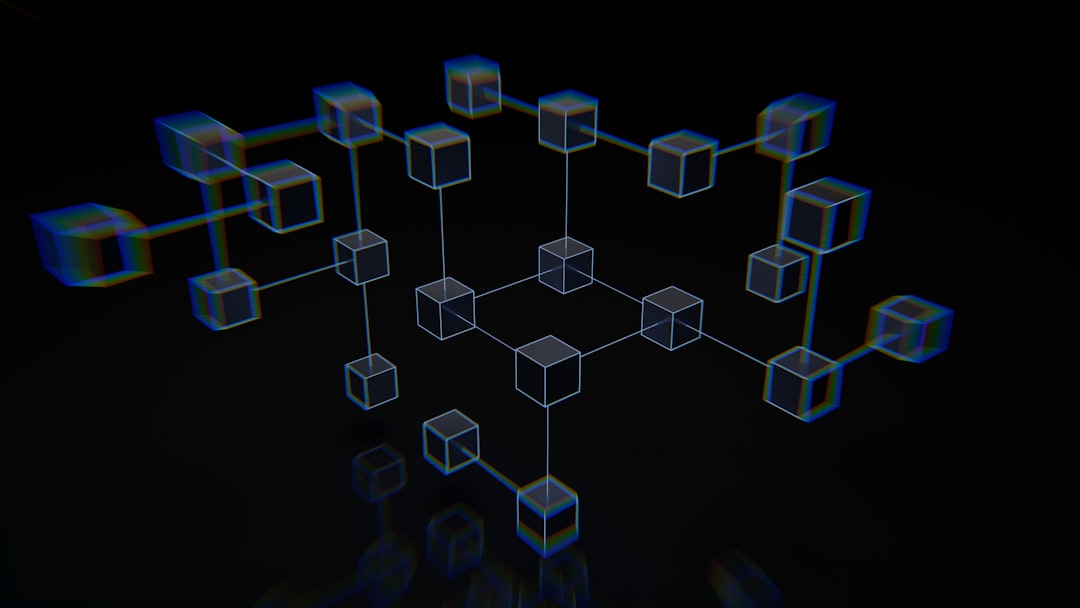
Blockchain is a distributed ledger that records transactions across a network of computers. Each transaction is encrypted and added to a block, which is then linked to the previous block, forming a chain. This chain of blocks creates a secure and tamper-proof record of transactions. The decentralized nature of blockchain ensures that no single entity has control over the data, making it resistant to censorship and fraud.
### Implications of Web3 and Blockchain
The combination of Web3 and blockchain has the potential to disrupt various industries, including finance, healthcare, and supply chain management. In finance, blockchain technology is enabling faster and more secure transactions, reducing the need for intermediaries. In healthcare, blockchain is improving data security and interoperability, allowing patients to have more control over their medical records. In supply chain management, blockchain is enhancing transparency and traceability, ensuring the authenticity of products.
### Advantages of Web3 and Blockchain
One of the key advantages of Web3 and blockchain is increased security. The decentralized nature of blockchain makes it difficult for hackers to manipulate data or conduct fraudulent activities. Additionally, blockchain ensures transparency and trust in transactions, as each transaction is recorded on the public ledger for all parties to see. Another advantage is the removal of intermediaries, reducing transaction costs and increasing efficiency.
### Challenges of Web3 and Blockchain
While Web3 and blockchain offer many benefits, there are also challenges that need to be addressed. One of the main challenges is scalability, as the current blockchain technology can be slow and expensive for large-scale applications. Another challenge is regulatory uncertainty, as governments around the world are still grappling with how to regulate decentralized technologies. Additionally, there are concerns about energy consumption, as some blockchain networks require significant computational power to operate.
### Conclusion
Web3 and blockchain are reshaping the way we interact with the internet and conduct digital transactions. These technologies offer increased security, transparency, and efficiency, but also come with challenges that need to be addressed. As Web3 and blockchain continue to evolve, it is important for businesses and individuals to stay informed and adapt to the changing technological landscape. Embracing these technologies can lead to a more decentralized, secure, and efficient digital future.