
Web3 and Blockchain: The Future of Technology
Introduction:
In recent years, the terms Web3 and blockchain have been gaining traction in the technology industry. As the world becomes increasingly digital, these technologies are reshaping the way we interact with the internet and handle transactions online. In this blog post, we will explore what Web3 and blockchain are, how they work, and the impact they are having on the tech industry.
What is Web3?
Web3 is the next evolution of the internet, moving beyond Web2.0 which is characterized by centralized platforms like social media sites and e-commerce platforms. Web3 aims to create a decentralized internet where users have more control over their data and interactions online. This new paradigm is made possible by technologies like blockchain, which enable secure and transparent transactions without the need for intermediaries.
How does Blockchain fit into Web3?
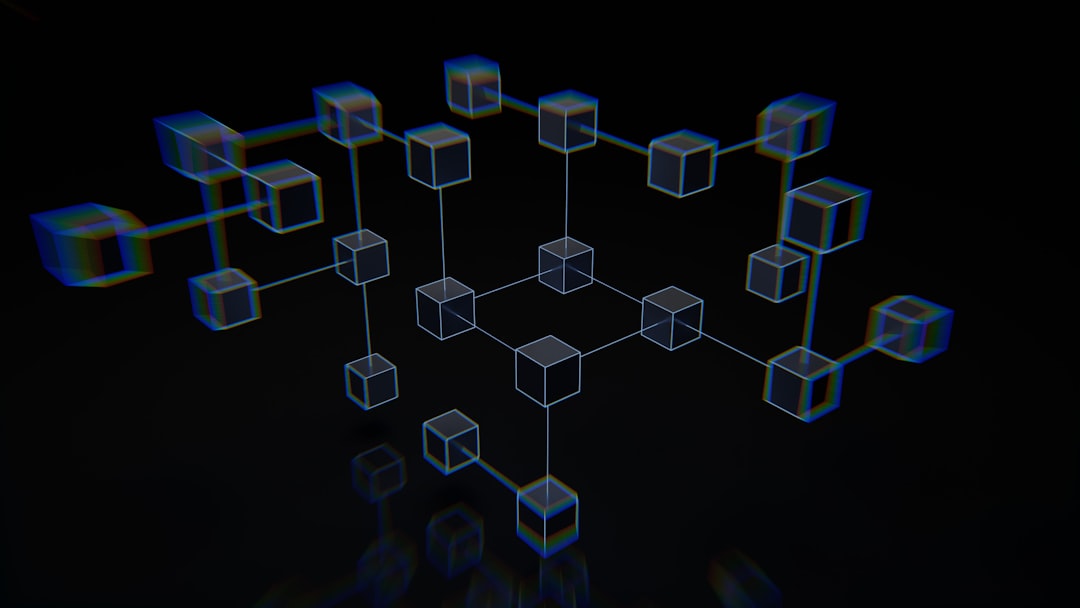
Blockchain is a decentralized and distributed ledger technology that underpins many Web3 applications. In simple terms, a blockchain is a chain of blocks that contain data, with each block linked to the previous one using cryptography. This creates a secure and tamper-proof record of transactions that can be accessed by anyone on the network.
One of the key features of blockchain is its transparency and immutability. Once a transaction is recorded on the blockchain, it cannot be altered or deleted, ensuring the integrity of the data. This has led to the widespread adoption of blockchain in various industries, from finance to supply chain management.
Impact of Web3 and Blockchain on the Tech Industry:
The rise of Web3 and blockchain technology is transforming the tech industry in several ways. Here are some of the key impacts:
1. Decentralization: Web3 promotes decentralization by removing the need for centralized intermediaries like banks or social media platforms. This gives users more control over their data and interactions online, leading to greater privacy and security.
2. Tokenization: Blockchain enables the creation of digital assets called tokens, which can represent ownership of physical or digital assets. This has opened up new possibilities for crowdfunding, digital art, and even decentralized governance systems.
3. Smart Contracts: Smart contracts are self-executing contracts with the terms of the agreement directly written into the code. These contracts run on blockchain networks, eliminating the need for intermediaries and reducing the risk of fraud.
4. NFTs: Non-fungible tokens (NFTs) are unique digital assets that represent ownership of a specific item, such as art, music, or collectibles. NFTs have gained popularity in recent years, with digital artists and creators leveraging blockchain technology to sell their work directly to consumers.
Conclusion:
In conclusion, Web3 and blockchain technology are revolutionizing the tech industry by promoting decentralization, transparency, and security. As more applications and platforms adopt these technologies, we can expect to see a shift towards a more user-centric and trustless internet. Whether it’s through decentralized finance, NFTs, or smart contracts, the potential of Web3 and blockchain is limitless. It’s clear that these technologies are here to stay and will continue to shape the future of technology in the years to come.