
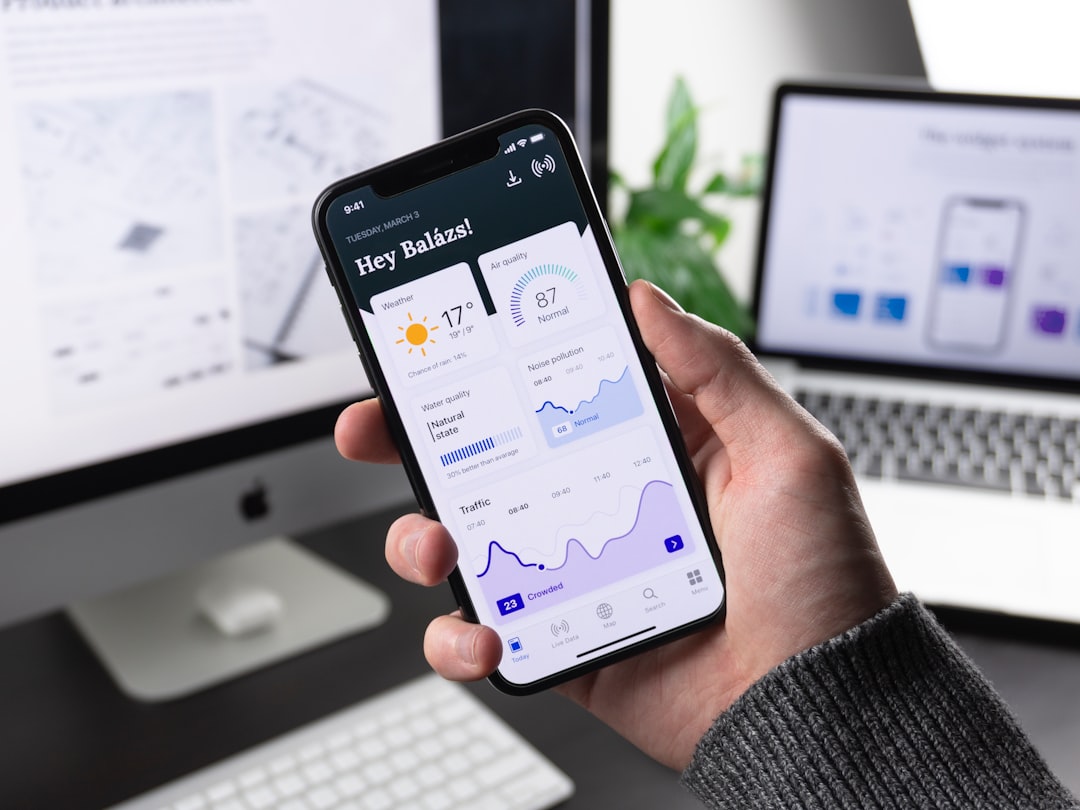
In today’s fast-paced digital world, mobile app development has become a crucial aspect of the technology industry. With the rise in smartphone usage and the demand for innovative solutions, businesses and developers are constantly seeking to create user-friendly, efficient, and engaging mobile applications. In this blog post, we will delve into the world of mobile app development, exploring its importance, trends, challenges, and best practices.
Introduction to Mobile App Development
Mobile app development refers to the process of creating software applications that are designed to run on mobile devices such as smartphones and tablets. These apps can be developed for various platforms including iOS (Apple), Android (Google), and Windows (Microsoft). Mobile apps play a pivotal role in enhancing user experience, improving productivity, and driving business growth.
Importance of Mobile App Development
The significance of mobile app development cannot be overstated in today’s digital landscape. With the majority of internet users accessing content through mobile devices, businesses need to have a strong mobile presence to reach their target audience. Mobile apps offer a convenient and personalized way for users to interact with brands, access services, and make purchases. Additionally, mobile apps can help businesses streamline operations, increase customer engagement, and stay ahead of the competition.
Trends in Mobile App Development
The mobile app development industry is constantly evolving, with new trends and technologies emerging regularly. Some of the key trends in mobile app development include:
1. Artificial Intelligence (AI) and Machine Learning: AI-powered features such as chatbots, virtual assistants, and personalized recommendations are becoming increasingly popular in mobile apps.
2. Internet of Things (IoT) Integration: Mobile apps are being integrated with IoT devices to enable seamless connectivity and automation.
3. Augmented Reality (AR) and Virtual Reality (VR): AR and VR technologies are being used to create immersive and interactive experiences in mobile apps.
4. 5G Technology: The rollout of 5G networks is expected to revolutionize mobile app development by enabling faster speeds, lower latency, and improved connectivity.
Challenges in Mobile App Development
While mobile app development offers numerous benefits, it also comes with its fair share of challenges. Some of the common challenges faced by developers include:
1. Fragmentation: The wide variety of devices, screen sizes, and operating systems can make it challenging to ensure compatibility and consistency across different platforms.
2. Security: Mobile apps are vulnerable to security threats such as data breaches, malware, and unauthorized access. Developers need to implement robust security measures to protect user data.
3. User Experience: Creating a seamless and intuitive user experience is essential for the success of a mobile app. Developers need to prioritize usability, performance, and accessibility.
4. Rapid Technological Changes: The fast-paced nature of the technology industry means that developers need to constantly adapt to new tools, frameworks, and best practices.
Best Practices in Mobile App Development
To overcome the challenges and ensure the success of a mobile app, developers should follow some best practices:
1. Define Clear Objectives: Before starting the development process, define clear goals and objectives for the app to ensure that it meets the needs of the target audience.
2. User-Centric Design: Focus on creating a user-centered design that prioritizes usability, accessibility, and engagement.
3. Agile Development: Adopt an agile development approach to facilitate collaboration, flexibility, and continuous improvement throughout the development process.
4. Testing and Quality Assurance: Conduct rigorous testing to identify and fix bugs, errors, and performance issues before launching the app.
5. Regular Updates and Maintenance: Stay proactive by releasing regular updates and providing maintenance to ensure that the app remains relevant and functional.
Conclusion
Mobile app development is a dynamic and ever-evolving field that plays a crucial role in shaping the digital landscape. By staying abreast of the latest trends, overcoming challenges, and following best practices, developers can create innovative, user-friendly, and successful mobile applications. Whether you are a business looking to enhance your mobile presence or a developer seeking to build cutting-edge apps, mobile app development offers endless opportunities for growth and innovation.